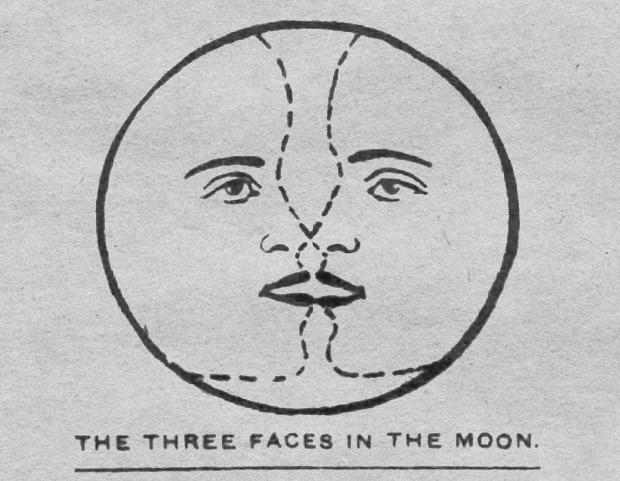
image: The Toronto Star Weekly, Ontario, May 18, 1912 from yesterdaysprint
According to @econojam, I won tickets to the OK Go concert on May 19th. I haven’t bought one of their records in about a year, so this feels like a nudge from the universe.
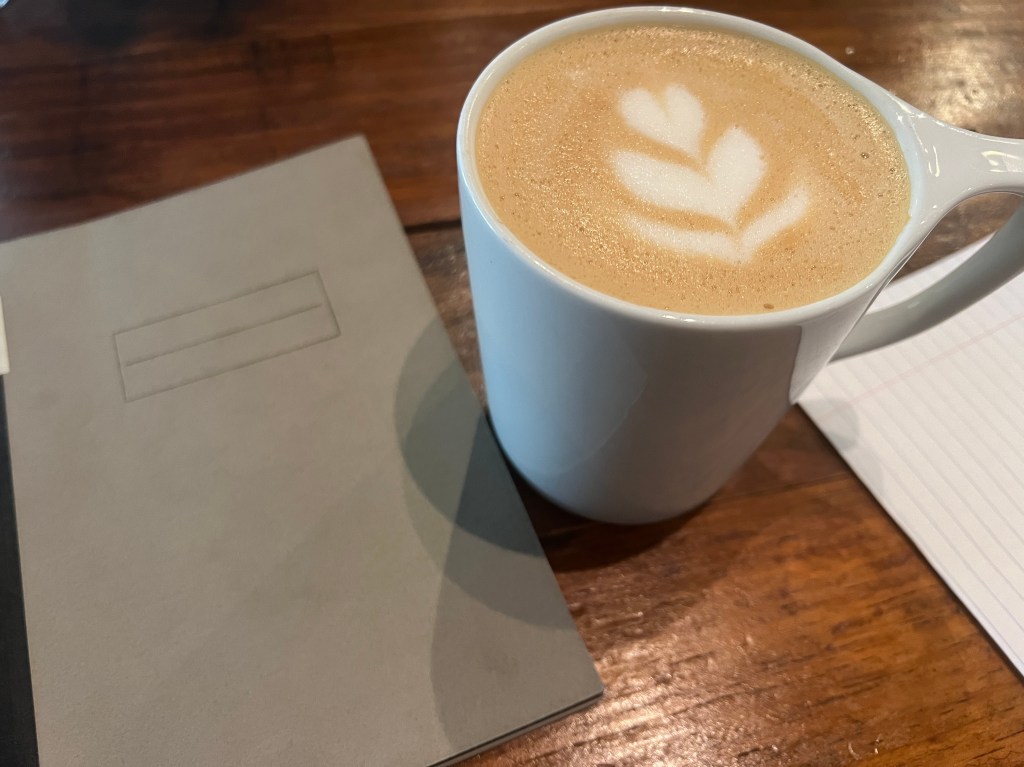
Skipped my usual oat milk matcha latte and went with a plain oat milk latte instead. If it’s plain, I’m not in pain.
I had also been focused on reflecting and the craft I’d seemingly left behind —
There are people who bravely call themselves poets and somehow get away with it—because they write, and they write, and they write about themselves and everything they are. Good for them.
The thesis of the self—though not quite a poetics—has become one of the easiest subjects to tackle. On platforms like Instagram, self-preservation is now achieved through exposure. The more you reveal, the more control you seem to have. You’re rewarded not for saying something new, but for saying “me” in a way that feels universal, clickable, legible.
I’ve chosen a different route: seclusion. I’ve been increasingly drawn to hermeticism—not as performance, but as a personal ethic. I dislike showing my face. I dislike being perceived. I prefer to exist through absence, to write without announcing myself.
I watched Billy Collins talk about how to write a poem on NPR the other day. He made it sound so simple. Clear images, clean lines, a gentle voice that nudges rather than shouts. He said the first line of a poem should be like opening a door into a room you want the reader to enter. I’ve been thinking about that a lot.
Lately, I’ve been trying to read poetry again. Not to be a poet—but to be reminded. My excuse for the lack of public writing is that I’ve quietly switched genres. I’m writing fiction now. In secret. It’s slow and ungenerous and private in a way poetry doesn’t always permit anymore.
Still, the research continues. And by research, I mean reading poems. Not to study form or to gather quotes, but to remember what language can do when no one’s watching.
 𝐃 𝐗 𝐌 𝐈 𝐍 𝐈 𝐐